
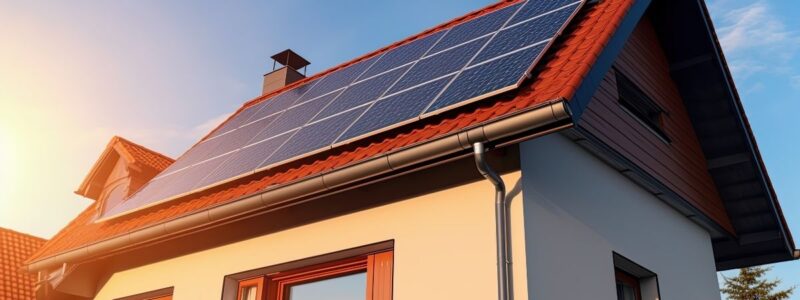
It seems like every time you walk down a typical British residential street lately, there are more shimmering black panels appearing on rooftops. For a long time, many of us viewed renewable energy as something for the future or perhaps only for those with a massive amount of spare capital. However, the landscape has shifted dramatically. With energy prices remaining volatile and the technology becoming far more efficient, the conversation around the home has moved from “maybe one day” to “how do we get started?”
Choosing to go green isn’t just about the environment anymore; it is a pragmatic financial decision. When you look at the long-term projections of energy costs, the idea of generating your own power becomes incredibly appealing. It is about taking back a bit of control. Instead of being entirely at the mercy of global wholesale gas prices, you are utilising the daylight that hits your roof every single day. Even in our famously overcast climate, the technology has advanced to a point where it can generate significant power without needing constant, direct Mediterranean sunshine.
Working out if your roof is actually ready
Before you get too far into the planning stages, it is worth taking a proper look at your property. Not every roof is a perfect candidate, though most can be made to work with the right design. The ideal scenario is a south-facing roof with a pitch of around 30 to 40 degrees, but don’t be discouraged if your home doesn’t fit that exact mould. East and west-facing roofs are still highly productive, often capturing the morning and evening sun when your household energy demand might actually be at its highest.
There are a few things you should check before reaching out to a professional:
- Shading issues: Are there large trees or neighbouring chimneys that cast a shadow over your roof for several hours a day? Even partial shading can significantly impact the output of a traditional string inverter system.
- Roof condition: Solar panels are designed to last 25 years or more. If your roof tiles are already crumbling or the structure is sagging, it is much more cost-effective to sort those repairs before the panels go up.
- Available space: You need enough clear, unobstructed space to fit a meaningful number of panels. A typical domestic system usually requires between 10 and 15 panels to make a real dent in your bills.
What happens during a solar panel installation
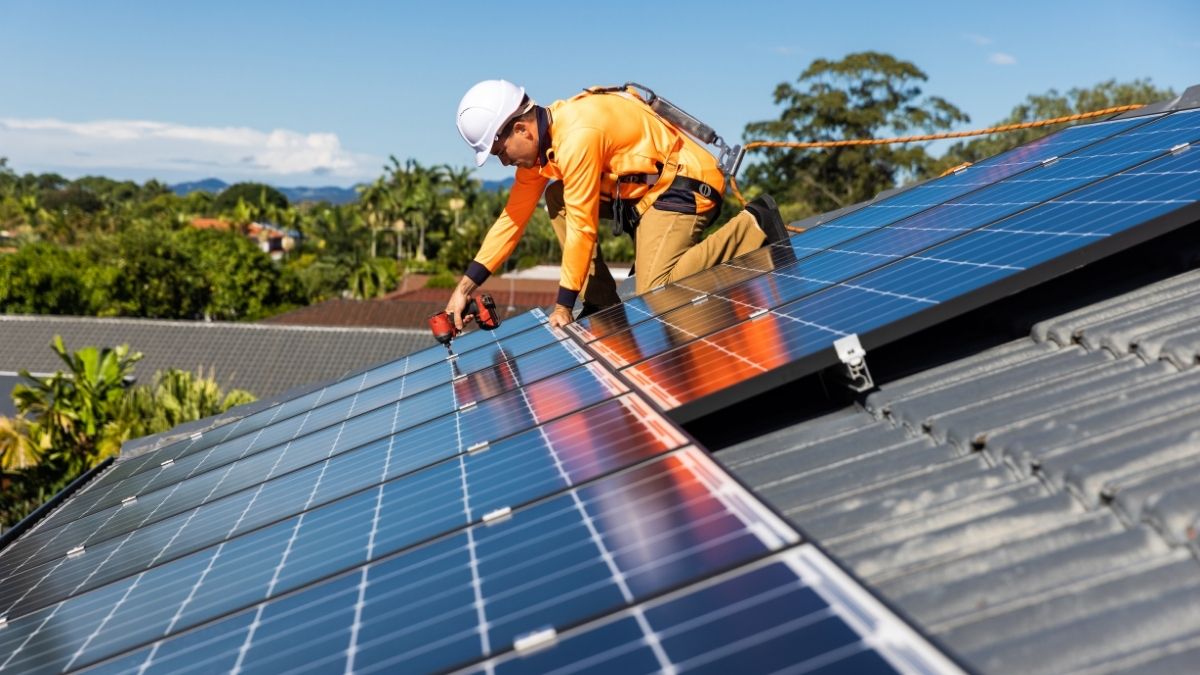
The actual physical process of getting the system onto your roof is often much quicker than people expect. Most domestic projects are completed within one to two days. It begins with the arrival of scaffolding, which is essential for the safety of the workers and to ensure they have easy access to the eaves. Once the scaffolding is secure, the team can begin the Solar panel installation by fixing the mounting system to your roof rafters.
These mounts are what hold the panels in place during high winds and heavy snow. The installers will carefully lift the tiles, secure the brackets to the wooden beams underneath, and then replace the tiles to ensure the roof remains completely watertight. After the rails are levelled and secured, the panels are bolted on and wired together. Inside the house, an electrician will be busy installing the inverter—the clever box that converts the raw DC electricity from your panels into the AC electricity that powers your kettle, TV, and fridge.
The final step involves connecting the system to your consumer unit (your fuse box) and setting up the monitoring software. Most modern systems come with a handy app that lets you see exactly how much power you are generating in real-time. It becomes quite addictive to check how much free energy you are harvesting on a bright Tuesday morning.
Understanding the hardware and technology
When you start looking at quotes, you will see a lot of technical jargon. It can be overwhelming, but it essentially boils down to three main components: the panels, the inverter, and the optional battery storage. Most homeowners today opt for monocrystalline panels because they are more efficient and have a sleek, all-black aesthetic that blends in better with traditional roof tiles.
You should also consider whether you want a standard string inverter or micro-inverters. A string inverter is a single unit, usually placed in the loft or garage. If one panel is shaded, it can sometimes drag down the performance of the whole row. Micro-inverters, on the other hand, are attached to every individual panel. This means if one panel is in the shade of a chimney, the others keep working at 100% capacity. It is a slightly more expensive route, but for complex roofs, it is often the best way to maximise your return on investment.
The role of battery storage
A few years ago, batteries were a luxury add-on, but now they are becoming a standard part of a Solar panel installation. The reason is simple: most of us aren’t home during the middle of the day when the sun is at its strongest. Without a battery, any energy you don’t use is sent back to the National Grid. While you do get paid for this through the Smart Export Guarantee (SEG), the rate you receive is usually much lower than the rate you pay to buy electricity back in the evening.
By adding a battery, you can store that midday surge and use it to power your home through the evening and night. This drastically increases your self-consumption rate. Some modern batteries are even smart enough to charge themselves from the grid during the night if you are on a cheap off-peak tariff, giving you a double saving during the darker winter months.
Financial incentives and long-term savings
While the initial outlay for a solar system is a significant investment, the lack of VAT on energy-saving materials in the UK has helped keep costs down. Furthermore, the Smart Export Guarantee ensures that you are compensated for every unit of green energy you share with your neighbours via the grid. To make the most of this, it pays to shop around for the best SEG tariff, as different energy suppliers offer vastly different rates.
The real value, however, comes from the reduction in your monthly utility bills. By shifting your heavy appliance usage—like dishwashers and washing machines—to the middle of the day, you can run your home for almost nothing during the summer months. Over time, these savings add up to thousands of pounds, eventually covering the cost of the installation and then providing pure profit for the remainder of the system’s lifespan.
Maintaining your system for the long haul
One of the best things about solar technology is that it has no moving parts, which means very little can go wrong. Maintenance is generally minimal, but it is not non-existent. You should keep an eye on the panels to ensure they aren’t covered in a thick layer of dust, bird droppings, or fallen leaves, as this can block the light and reduce efficiency. In the UK, our frequent rain usually does a decent job of keeping the panels clean, but a professional wash every few years can keep them performing at their peak.
It is also wise to have a quick look at your generation stats once a month. If you notice a sudden, unexplained drop in output, it could indicate a fault with a specific panel or a glitch in the inverter. Most reputable installers offer warranties that cover the panels for 25 years and the inverter for 10 to 12 years, providing peace of mind that your investment is protected. Keeping your gutters clear and ensuring no branches are growing over the panels will also help maintain the integrity of the system for decades to come.

Sophie Langford is passionate about cybersecurity innovations and securing online platforms against emerging vulnerabilities. Her expertise lies in implementing robust defense systems to safeguard businesses from evolving digital risks.